Slip & Fall Accidents in Stores: When Is the Business Liable?
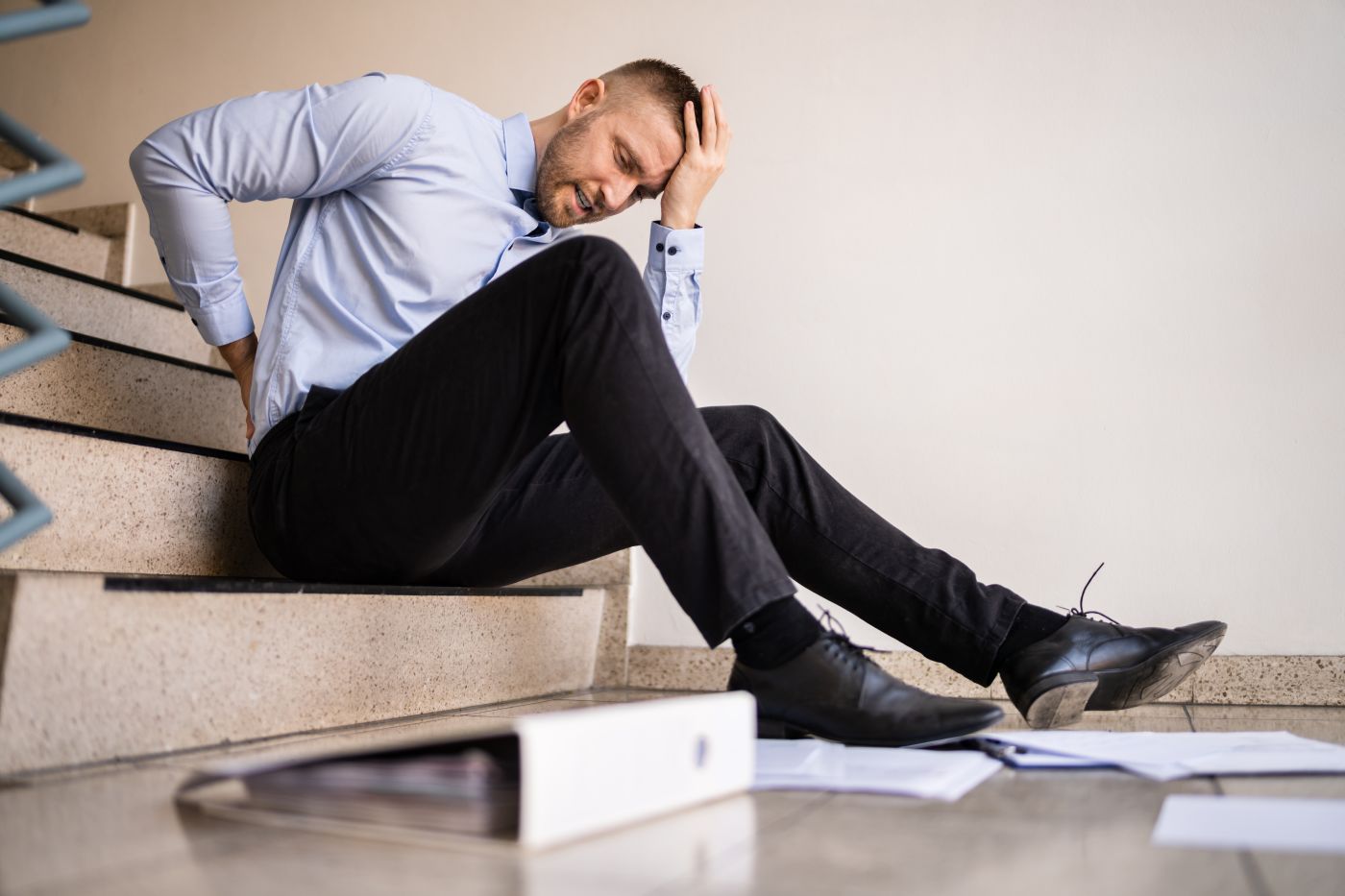
Slip and fall accidents in stores can be sudden, painful, and life-altering. They can leave victims with broken bones, sprains, head injuries, or long-term mobility challenges. Beyond physical harm, the emotional and financial strain can be overwhelming.
Many people are left wondering who is responsible for the accident and whether the store can be held accountable for the injuries sustained. At Townsend Law, LLC, we help families in Kansas who have been injured in slip and fall accidents.
We work with clients to assess the circumstances of the incident, identify potentially liable parties, and pursue personal injury claims that provide compensation for medical bills, lost income, and pain and suffering.
Our goal is to guide families through a difficult time with clarity and support. Reach out to us today to see how we can help with your personal injury case.
Slip and fall incidents in stores often result from hazards that may not be immediately visible to shoppers. Identifying these causes can help victims understand why the accident happened and who may be responsible.
Wet or slippery floors: Spills, leaks, or recently mopped areas without proper warnings are common causes of slips.
Obstructed walkways: Boxes, shopping carts, display items, or merchandise left in aisles can create tripping hazards.
Uneven surfaces: Loose tiles, cracked flooring, or poorly maintained carpets can lead to falls.
Inadequate lighting: Dimly lit areas make it difficult to see obstacles or changes in floor level.
Recognizing these common causes is an important step in determining potential liability and supporting a personal injury claim, helping victims document evidence, identify responsible parties, and pursue fair compensation for injuries and related losses.
A business may be liable for injuries if it failed to maintain safe conditions for its customers. Liability is often evaluated based on whether the store acted reasonably to prevent accidents.
Negligence in maintenance: Failing to clean up spills promptly or repair broken flooring can indicate negligence.
Lack of warnings: Stores are responsible for providing clear signs when floors are wet or when areas are hazardous.
Unsafe store layout: Narrow aisles, poorly placed displays, or cluttered areas can contribute to accidents.
Failure to inspect: Regular inspections can identify hazards before they cause injuries, and failure to conduct inspections can support liability claims.
In many cases, businesses have insurance that covers customer injuries, making liability more than a theoretical issue—it affects the victim’s ability to recover damages, including medical bills, lost wages, rehabilitation costs, and compensation for pain and suffering.
Collecting the right evidence after a slip and fall is crucial to support a claim and demonstrate liability.
Photographs of the scene: Capture the exact location of the fall, any spills, obstructions, or broken flooring.
Medical documentation: Keep records of all treatments, diagnoses, and related expenses.
Witness statements: Gather contact information and statements from anyone who saw the accident occur.
Incident reports: Request copies of the store’s internal reports or documentation of inspections and maintenance.
Surveillance footage: Security cameras may have captured the accident and the conditions that caused it.
Having well-organized evidence can strengthen the claim by showing negligence, unsafe conditions, or the store’s failure to act responsibly, supporting compensation for medical expenses, lost wages, pain, suffering, and long-term impacts from the accident.
Injuries from slip and fall accidents can range from minor bruises to severe, long-term conditions. Understanding the potential consequences helps families evaluate the extent of damage.
Fractures and broken bones: Falls can easily break wrists, arms, hips, or legs, especially among older adults.
Head injuries: Concussions or traumatic brain injuries may occur even from low-height falls.
Back and spinal injuries: Damage to the spine can result in chronic pain or mobility issues.
Soft tissue injuries: Sprains, strains, and ligament tears are common and often require ongoing therapy.
Emotional trauma: Pain, fear of future falls, or anxiety about returning to public spaces can affect mental health.
A personal injury claim can account for both physical injuries and emotional impact caused by the accident, including medical treatment, rehabilitation costs, lost income, mental anguish, and long-term effects on daily life.
Immediate actions after an accident can protect health and preserve the right to pursue compensation, including documenting the scene, seeking medical care, and gathering witness statements for a stronger personal injury claim.
Seek medical attention: Even if injuries seem minor, prompt evaluation is important for health and documentation.
Report the accident: Notify store personnel and ask for an official incident report.
Document the scene: Take photos of the area, flooring, lighting, and any hazards that contributed to the fall.
Collect witness information: Names and contact details of those who observed the accident may be valuable.
Preserve evidence: Keep damaged clothing, shoes, or personal items involved in the fall.
Following these steps helps protect both health and legal rights while providing a strong foundation for a personal injury claim, supporting evidence collection, documenting injuries, preserving witness statements, and strengthening the case for maximum recovery.
Whether a store can be held liable often depends on several key considerations, including the condition of the property, the victim’s actions, the duration of hazards, prior warnings, and the store’s overall maintenance practices.
Negligence: The store must have failed to maintain safe conditions or warn of hazards.
Comparative fault: Missouri law may consider whether the injured person contributed to the accident, which can affect compensation.
Business practices: Stores with established inspection and maintenance procedures may argue they acted reasonably.
Duration of hazard: Evidence that the dangerous condition existed for a sufficient time may demonstrate that the store had notice of the risk.
Evaluating these factors is crucial to determining liability and pursuing appropriate compensation in a personal injury case, including medical expenses, lost wages, pain and suffering, and long-term impacts on quality of life.
While victims can’t prevent past accidents, there are measures stores can take to reduce the likelihood of future incidents, including regular inspections, staff training, proper signage, and maintaining safe walkways.
Regular floor inspections: Frequent checks for spills, debris, or damaged flooring reduce hazards.
Proper signage: Clear warnings for wet or slippery floors alert customers to risks.
Adequate lighting: Well-lit areas make obstacles and floor changes easier to see.
Safe store layout: Keeping aisles clear, placing displays safely, and maintaining accessible pathways minimizes tripping hazards.
Preventive measures benefit both customers and stores, lowering accident risk and potential liability, while fostering a safer shopping environment, reducing injuries, improving public confidence, and helping businesses maintain good reputations through consistent safety practices and proactive hazard management.
When a store’s negligence contributes to an accident, victims have the right to pursue compensation. At Townsend Law, LLC, we help families in Kansas City, Overland Park, and across Missouri pursue personal injury claims, recover medical costs, lost income, and compensation for pain and suffering.
We support families in gathering evidence, assessing liability, and presenting claims that reflect the full impact of the accident. If you’ve been injured in a store slip and fall, reach out to our attorney at Townsend Law, LLC to explore options and protect your rights.