Suing a Trucking Company vs. the Driver: What Victims Need to Know
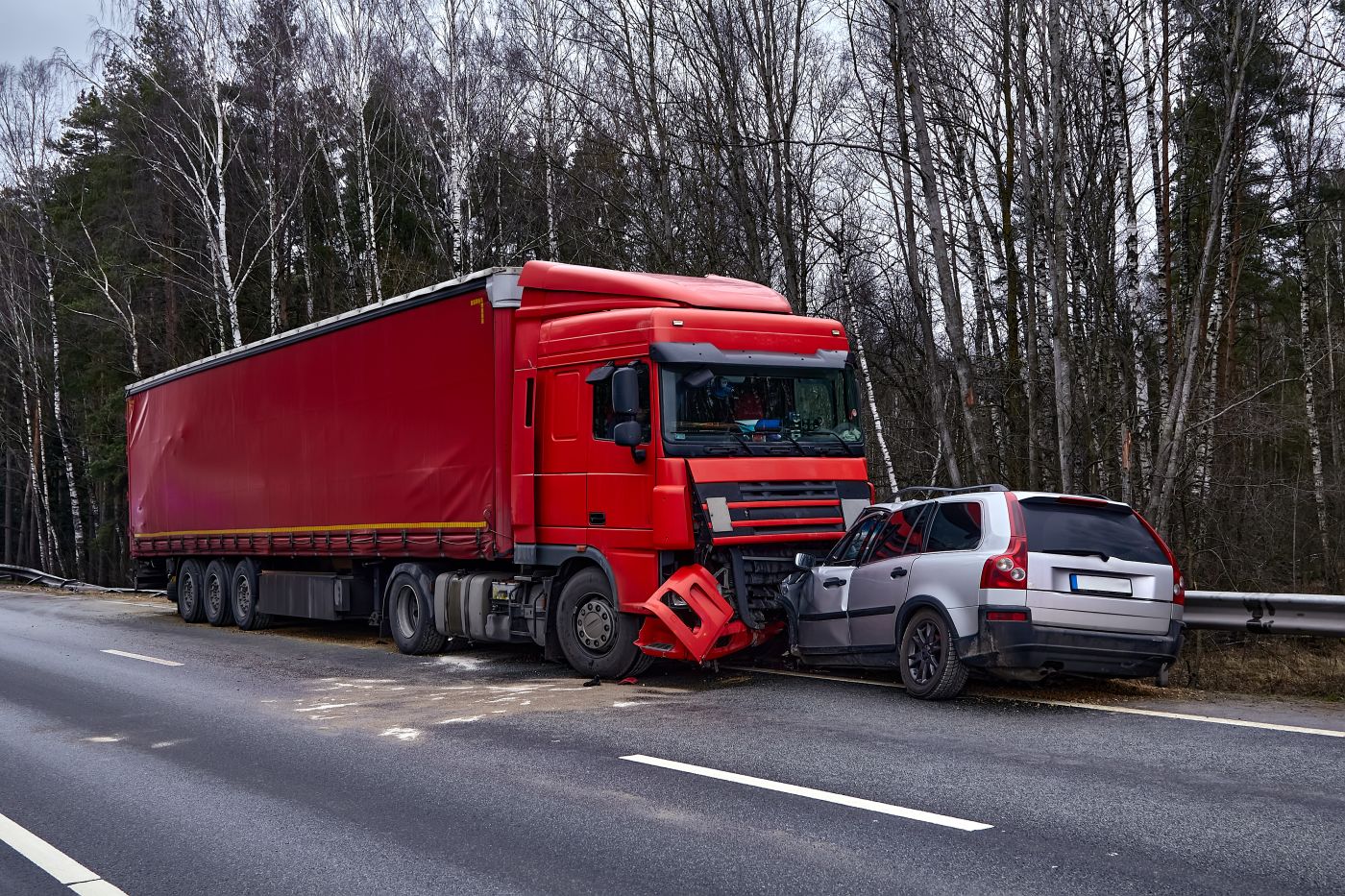
Being involved in an auto accident with a commercial truck can be a life-changing event. The injuries are often severe, the damages substantial, and the recovery process physically and emotionally challenging. Families may find themselves overwhelmed by medical bills, lost wages, and the uncertainty of who is legally responsible.
It’s natural to feel frustrated and unsure about the steps to take after a serious trucking accident. At Townsend Law, LLC, we help families in Kansas who have been affected by truck-related auto accidents.
We work with clients to assess the situation, identify liable parties, and pursue claims to obtain compensation for injuries and losses. Our goal is to support families through the process while clarifying who can be held accountable. Reach out to us today to see how we can assist you with your case.
Determining liability after a trucking accident often requires looking at more than just the driver. Trucking companies can sometimes bear responsibility for actions or conditions that lead to a crash. Identifying potential parties helps victims understand their rights.
The truck driver: Drivers may be responsible for negligence, distracted driving, speeding, driving under the influence, or violating hours-of-service regulations.
The trucking company: Companies can be liable if they failed to properly hire, train, or supervise the driver. They may also be responsible for maintaining safe equipment and vehicles.
Maintenance providers: If a truck’s brakes, tires, or other critical parts were improperly repaired, a maintenance provider could share liability.
Cargo shippers: Improperly loaded or secured cargo can cause accidents, making the shipping company partially responsible.
Auto accident claims often involve multiple parties, and carefully examining each one’s role, responsibilities, and potential negligence can be critical in pursuing a full recovery.
Trucking companies often carry greater financial responsibility for accidents because they have control over their drivers and vehicles. Here’s why a company may be liable:
Hiring practices: Companies must screen drivers for safe driving records, proper licensing, and drug or alcohol compliance. Hiring an unsafe driver can create liability.
Training and supervision: Proper training on safety protocols, hours-of-service rules, and cargo handling is required. Failing to train or supervise drivers can contribute to accidents.
Vehicle maintenance: Companies are responsible for inspecting and maintaining trucks. Neglecting maintenance increases the risk of accidents.
Work schedules: Pressuring drivers to meet tight delivery schedules can lead to fatigue-related crashes, which may be the company’s responsibility.
Holding the company accountable may allow victims to recover greater compensation than pursuing a claim solely against the driver.
Victims may wonder whether to file a claim against the driver, the company, or both. Each option has unique considerations.
Claims against the driver: Suing the driver may be more straightforward, but their personal assets are often limited, which can restrict potential compensation.
Claims against the company: Companies usually carry substantial insurance coverage, which can provide higher compensation for medical bills, lost income, and pain and suffering.
Joint claims: Filing against both the driver and the company can maximize recovery, though it may require more detailed evidence and legal strategy.
Deciding which parties to pursue often depends on the circumstances of the accident, the severity of injuries, and the financial resources available.
Gathering evidence immediately after an auto accident is crucial for supporting a claim. Strong documentation can make a significant difference when pursuing compensation.
Accident scene photos: Capture the vehicles, road conditions, skid marks, and any visible damage or debris.
Medical records: Document all injuries, treatments, and ongoing care.
Witness statements: Collect contact information and accounts from anyone who observed the accident.
Driver and company information: Record the driver’s license, truck company name, insurance information, and cargo details.
Maintenance and inspection logs: If possible, obtain records showing the truck’s condition prior to the accident.
Having this evidence organized helps establish negligence, liability, and the full extent of medical, financial, and emotional damages in an auto accident claim.
Trucking accidents often result in serious injuries due to the size and weight of commercial vehicles. Understanding the types of injuries can help families anticipate recovery needs and the potential scope of a claim.
Traumatic brain injuries: Impacts and sudden stops can cause concussions or more severe brain damage.
Spinal cord injuries: Collisions may result in paralysis or long-term mobility challenges.
Fractures and broken bones: High-force impacts can break arms, legs, ribs, or pelvis.
Internal injuries: Organ damage, internal bleeding, or other complications can occur without immediate symptoms.
Emotional trauma: Victims often experience anxiety, depression, or post-traumatic stress after serious accidents.
Auto accident claims may seek compensation for both physical injuries and the emotional toll these accidents take on victims and their families.
Prompt action can protect a victim’s health and strengthen a claim. Families should consider these steps after an auto accident involving a truck.
Seek immediate medical attention: Even if injuries seem minor, prompt evaluation is crucial for health and documentation.
Report the accident: Notify local authorities and the trucking company.
Document the scene: Take photos, gather witness statements, and keep copies of police reports.
Preserve evidence: Retain damaged clothing, vehicle parts, or cargo items that may support your claim.
Avoid informal statements to insurers: Speaking without guidance can affect the outcome of an auto accident claim.
Following these steps helps protect both health and legal rights after a serious accident and can strengthen a potential auto accident claim.
Liability may hinge on multiple factors, and understanding these can clarify who should be held accountable.
Negligence: Failure to follow traffic laws, company policies, or maintenance protocols can indicate negligence.
Vicarious liability: Trucking companies may be liable for acts committed by employees within the scope of their employment.
Comparative fault: Missouri law considers whether the victim contributed to the accident, potentially affecting compensation.
Insurance coverage: Company insurance policies often dictate the maximum recovery amount available.
Careful evaluation of these factors is essential to determine the most effective approach for pursuing compensation.
While victims cannot change past accidents, preventive measures can reduce future risks. Trucking companies and regulators can take action to protect drivers and the public.
Regular vehicle inspections: Maintaining brakes, tires, and cargo systems reduces mechanical failures.
Driver training programs: Proper training on road safety, fatigue management, and cargo handling is crucial.
Monitoring work hours: Following federal hours-of-service regulations helps prevent driver fatigue.
Safety reporting systems: Encouraging drivers and employees to report hazards can help prevent accidents.
Promoting safety can reduce the frequency and severity of auto accidents, protecting drivers, passengers, and other motorists.
Whether liability rests with the driver, the trucking company, or both, victims have options to pursue compensation for injuries, medical expenses, lost income, and emotional suffering. At Townsend Law, LLC, we help families in Kansas City, Overland Park, and across Missouri recover after serious trucking-related auto accidents.
We guide families through the process of identifying responsible parties and seeking fair compensation for their losses. If you or a loved one has been injured in a truck accident, reach out to Townsend Law, LLC to explore your options and protect your rights.