When Does a Sports Injury Go Beyond Assumed Risk?
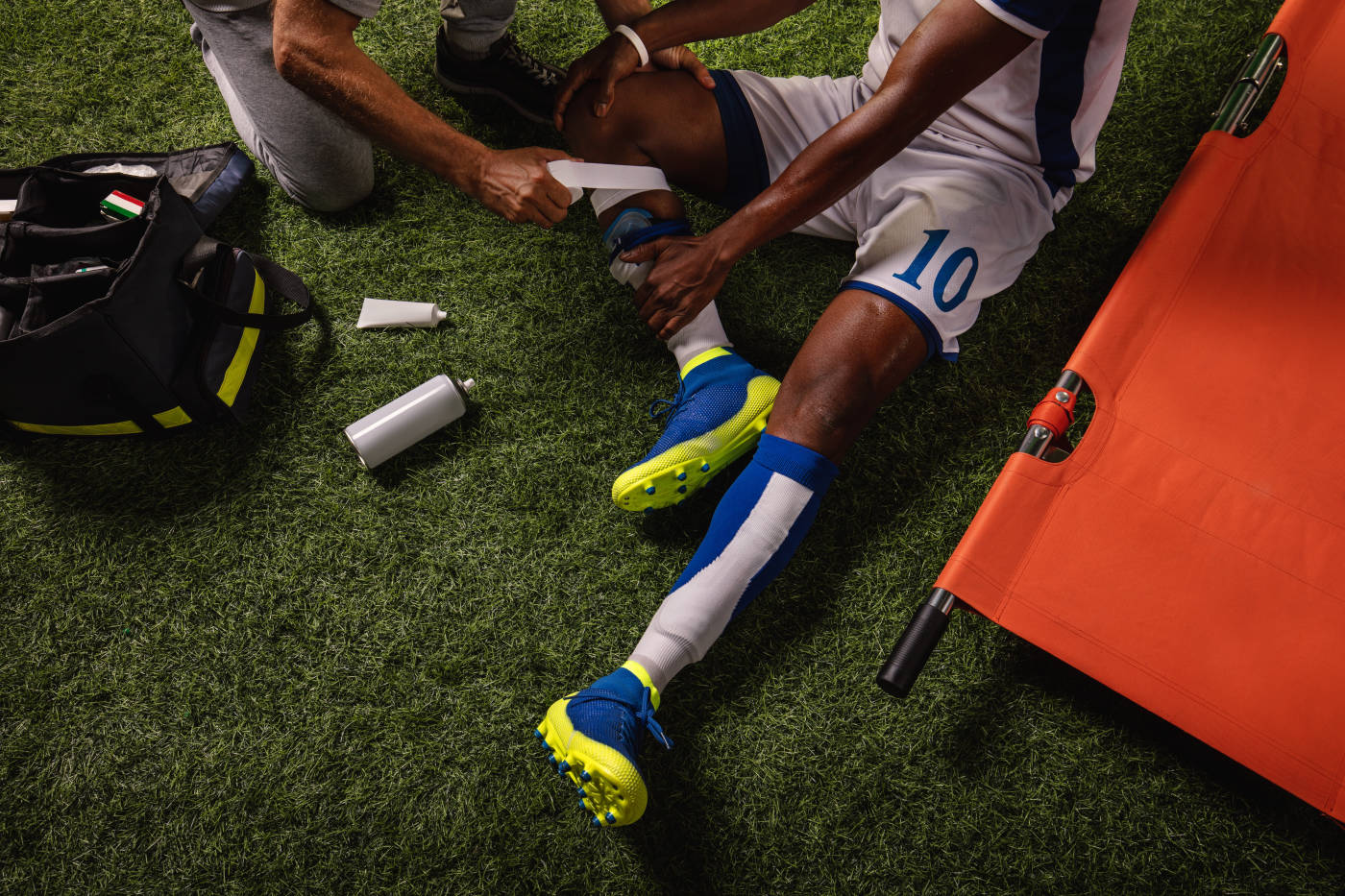
Participating in sports often comes with an understanding that some level of physical risk is involved. However, when an injury results from reckless behavior, unsafe conditions, or negligence, the situation may go beyond the risks athletes reasonably expect to face.
A serious sports injury can leave individuals dealing with pain, medical treatment, lost time from work or school, and emotional frustration, especially when the injury could have been prevented. Understanding when assumed risk no longer applies is an important step in determining whether legal responsibility may exist.
At Townsend Law, LLC in Overland Park, Kansas, we represent individuals who have been injured in a range of personal injury situations, including those involving athletic activities. We often see how a sports injury can raise questions about what was expected during participation and whether something may have gone beyond those expectations.
We help people sort through what happened after a sports injury and consider whether the facts point to assumed risk or something beyond it. We serve clients in Overland Park, Kansas, the Kansas City metropolitan area, Johnson County, Wyandotte County, Clay County, Cass County, Platte County, Jackson County, and throughout the states of Kansas and Missouri.
Reach out to Townsend Law, LLC if you want to talk about what your options may look like. Our KS personal injury attorney reviews these situations closely.
When we talk about a sports injury, we’re referring to harm that occurs during organized sports, recreational play, or physical training activities. At Townsend Law, LLC in Overland Park, Kansas, we often review these situations in context, whether they involve school athletics, community leagues, private facilities, or informal games among individuals.
A sports injury can take many forms, such as sprains, fractures, head trauma, or more serious physical harm. While some injuries happen even when everyone follows the rules, others raise questions about whether something went wrong beyond normal participation.
We often look at whether a sports injury occurred because of:
Unsafe playing conditions
Faulty or poorly maintained equipment
Lack of supervision or oversight
Actions that fall outside the accepted rules of the sport
Training practices that put participants at unnecessary risk
Each of these factors can influence how a sports injury is evaluated. We focus on what was reasonably expected in the setting and whether the situation matched those expectations.
Assumed risk means that someone understands and accepts that injury can happen as part of participating in a sport. In many sports injury situations, this concept plays an important part in how responsibility is viewed.
For example, contact sports often involve physical impact. Participants generally understand that a sports injury can result from normal play, even when rules are followed. That expectation can limit whether a claim exists.
However, assumed risk doesn’t cover every possible situation. It usually applies only to risks that are:
Common and predictable within the activity
Directly related to normal participation
Not caused by actions outside the rules or expectations of the sport
A sports injury that happens during routine play may fall under assumed risk. On the other hand, if something unusual or unsafe contributes to the injury, the situation may need a closer look.
When we analyze a sports injury, we start by organizing the facts. That includes reviewing how the injury happened, who was involved, and what conditions were present at the time.
We then compare those facts to what is generally expected in that type of activity. A sports injury that occurs during routine participation may not involve outside responsibility. However, when something falls outside those expectations, the situation changes.
We also look at whether rules, safety standards, or basic care practices were followed. A sports injury may raise questions about whether someone failed to act reasonably given the circumstances.
In many situations, we review:
Whether safety guidelines were in place and followed
Whether participants were properly informed of risks
Whether supervision was present and active
Whether equipment or facilities were inspected and maintained
Whether any warnings were ignored before the sports injury occurred
Each of these points helps us organize the information and analyze how the sports injury developed. We don’t focus on assumptions. Instead, we rely on what can be observed, documented, and supported by available facts.
A sports injury case often depends on how clearly the events can be connected to decisions or conditions that led to harm. That connection is what we evaluate carefully.
We understand how disruptive a sports injury can be, especially when you’re trying to figure out whether assumed risk applies or whether other factors played a part. You don’t have to sort through those questions on your own.
At Townsend Law, LLC in Overland Park, Kansas, we help individuals evaluate whether a sports injury may involve issues beyond assumed risk. Whether you’re in the Kansas City metropolitan area, Johnson County, Wyandotte County, Clay County, Cass County, Platte County, and Jackson County, or anywhere else throughout the states of Kansas and Missouri, we’re here to review your situation.
If you’re dealing with a sports injury and want to discuss your options, contact us.