How Lyft and Uber Accidents Differ From Standard Car Accident Claims
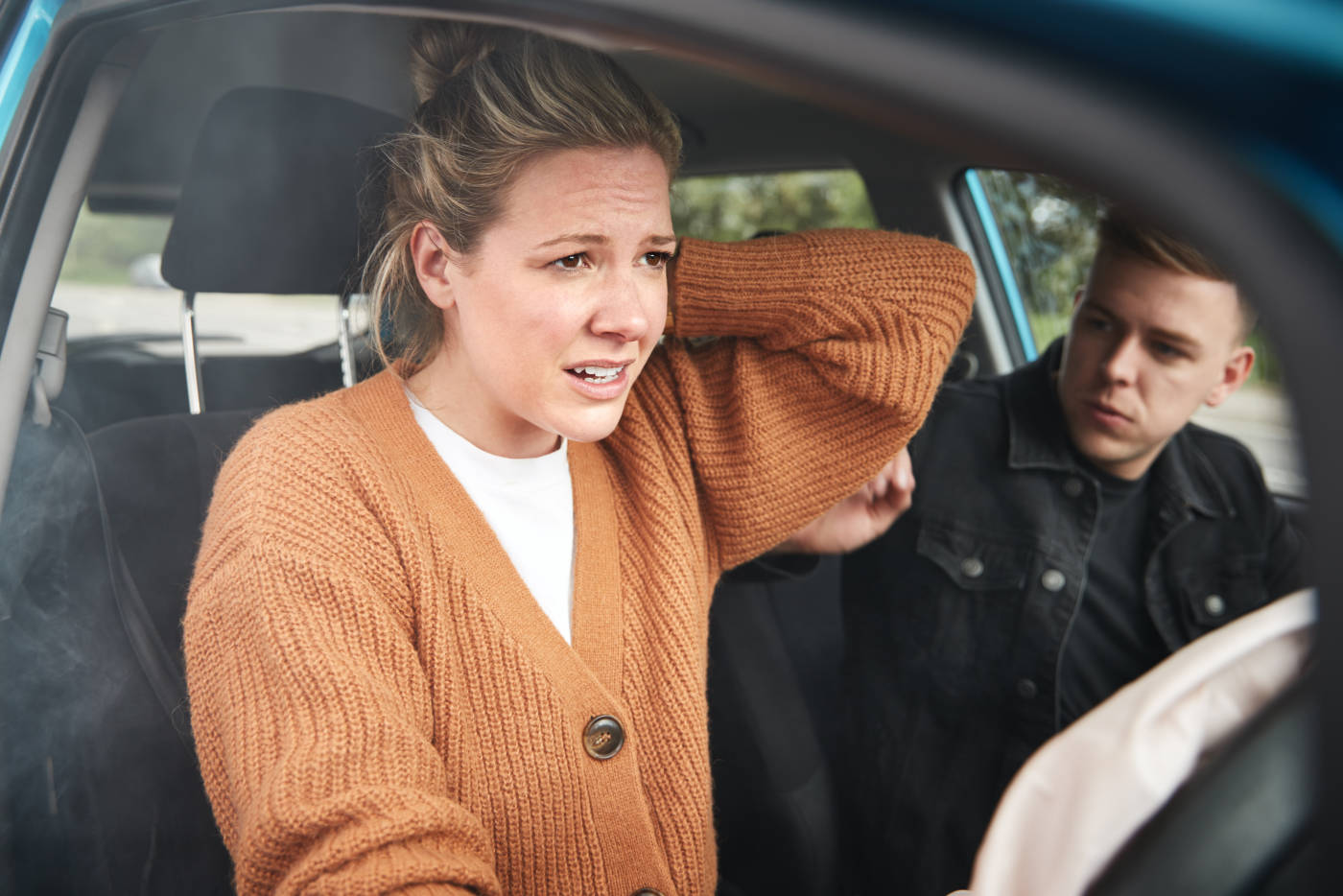
Rideshare crashes have insurance requirements that differ from standard car accident claims.
Available coverage depends on whether the driver was offline, waiting for a ride request, or completing an accepted ride.
Uber and Lyft drivers are typically classified as independent contractors, which can affect questions about company liability.
Preserving app data can help establish which insurance coverage applies to your claim.
An accident involving an Uber or Lyft driver in Kansas can leave you dealing with more than the usual insurance claim. Whether you were a passenger or another driver, you may have questions about which insurance company should cover your injuries and whether the rideshare company bears any responsibility. The answers depend on the circumstances of the crash, including whether the driver was using the app at the time.
At Townsend Law, LLC, based in Overland Park, Kansas, we represent people injured in car accidents throughout Kansas and Missouri. We review the circumstances of each accident, identify available insurance coverage, and help clients pursue compensation for their injuries. Call us now to schedule a free consultation.
Rideshare insurance requirements change based on what the driver was doing when the collision occurred. In Kansas and Missouri, the minimum liability coverage generally falls into three categories:
Offline or personal use: The driver's own auto policy typically applies, just as it would in a standard crash.
App on, waiting for a request: At least $50,000 per person and $100,000 per accident for bodily injury or death, plus $25,000 for property damage.
Passenger in the car or en route to pick one up: At least $1 million in combined liability coverage for bodily injury, death, and property damage, beginning when the driver accepts a ride request.
The required coverage may come from the driver, the rideshare company, or both. Personal auto policies may exclude accidents occurring during rideshare activity. However, Kansas and Missouri require rideshare company coverage to apply when the driver's insurance has lapsed or does not provide the required coverage.
Because the required coverage changes when a driver accepts a ride, establishing the driver's app status at the time of the collision is important. For example, a driver waiting for a request has different coverage requirements than a driver who has already accepted one, even if neither has a passenger in the vehicle.
Medical bill payments also differ depending on the state and available insurance. In Kansas, applicable personal injury protection (PIP) benefits may cover certain medical expenses regardless of fault. In Missouri, health insurance or available medical payments coverage may help pay initial expenses. You may also pursue medical expenses through a liability claim against a responsible party.
While ordinary car accident claims generally focus on establishing negligence and resulting losses, rideshare accidents may also raise questions about whether the company itself bears legal responsibility. Uber and Lyft drivers are typically classified as independent contractors, which can affect whether the companies are liable for their drivers' negligence.
A claim against Uber or Lyft is not automatically available simply because its driver caused an accident. Whether the company can be held directly responsible depends on the legal basis for the claim and the circumstances. However, the company's required insurance may still cover an accident caused by its driver, even when the company itself is not legally liable.
Passengers injured in rideshare accidents may have claims against the rideshare driver, another negligent motorist, or other legally responsible parties. The available insurance depends on who caused the collision and which policies apply.
If a rideshare driver hit you, the driver's app status helps determine the applicable insurance requirements. You must also establish who was responsible for the collision, just as you would in a standard car accident claim. Importantly, the existence of a $1 million insurance policy does not automatically establish liability or guarantee that amount in compensation.
Rideshare accidents may leave digital records that aren't available in standard car accident claims. Trip records may establish when a driver accepted a ride, while GPS data and in-app messages may help verify the driver's location and activity around the time of the collision. Beyond that, the usual proof still matters: photos of the scene and vehicles, the police report, witness contact details, and your medical records.
If you were a passenger, take screenshots of your ride receipt and driver profile and save any trip-related messages. Kansas law also requires rideshare companies and potentially responsible insurers to exchange certain information during coverage investigations, including driver login and logout times surrounding the accident.
It's also wise to review requests for recorded statements and settlement agreements carefully. Accepting a final settlement may prevent you from seeking additional compensation for the same injuries.
Filing deadlines differ between states, as well. Personal injury lawsuits generally must be filed within two years in Kansas and five years in Missouri, although exceptions and different claim requirements may apply.
After a rideshare accident, you may face medical expenses, missed work, and insurance questions while recovering from your injuries. Identifying the responsible parties and applicable coverage is an important part of pursuing a claim.
At Townsend Law, LLC in Overland Park, Kansas, our experienced car accident attorney investigates the circumstances of car accidents, reviews available evidence, and identifies potentially responsible parties and applicable insurance policies. We also handle communications with insurers and pursue compensation for qualifying losses, including medical expenses, lost income, and pain and suffering. We explain your options and represent your interests throughout the claims process.
We serve the Kansas City metropolitan area, including Johnson County, Wyandotte County, Clay County, Cass County, Platte County, and Jackson County, and clients throughout Kansas and Missouri. Contact us today to schedule a free consultation and discuss your case.